
Asbestos, once prized for its fire-resistant properties, is now infamous for its severe health hazards. This mineral, extensively used in construction during the mid-20th century, has been linked to serious respiratory diseases, including lung cancer and mesothelioma. Colorado schools, many of which were built during this period, still contain asbestos-containing materials, posing a hidden danger to students and staff.
Prevalence of Asbestos Containing Materials in Schools
The presence of asbestos in schools is alarmingly common, with estimates suggesting that approximately 80% of schools in the United States contain asbestos-containing materials. This high prevalence is primarily due to the fact that about half of all schools in the US were constructed between 1950 and 1969, a time when asbestos was routinely used in building materials.
Where is Asbestos Found in Schools?
- Ceiling tiles
- Wallboard
- Cement sheets
- Vinyl flooring
- Pipe insulation
- Textured paint
- Popcorn ceilings
- Ductwork
Legal Requirements for Asbestos Management
To address the risks posed by asbestos in schools, the US Congress passed the Asbestos Hazard Emergency Response Act (AHERA) in 1986. This law mandates that local educational agencies:
- Conduct inspections of school buildings for asbestos-containing materials.
- Prepare management plans for handling asbestos.
- Perform response actions to reduce asbestos hazards.
In Colorado, the Environmental Protection Agency (EPA) oversees the enforcement of these regulations, ensuring that schools comply with AHERA’s requirements to protect public health and safety.
Here’s the EPA’s AHERA Checklist for those designated with this responsibility.
Proper Handling and Removal of Asbestos
When asbestos is discovered in schools, several management strategies can be implemented:
- Maintenance: If asbestos-containing materials are in good condition, schools may implement a maintenance plan to keep them intact.
- Repair: Small-scale repairs can be made to damaged asbestos-containing materials.
- Encapsulation: This involves spraying exposed asbestos with a sealant to prevent fiber release.
- Enclosure: An airtight barrier is built around the asbestos-containing materials.
- Removal: While the most permanent solution, removal is often a last resort due to high costs and the potential for increased exposure during the process.
More on Asbestos in Schools from AsbestosNation.org
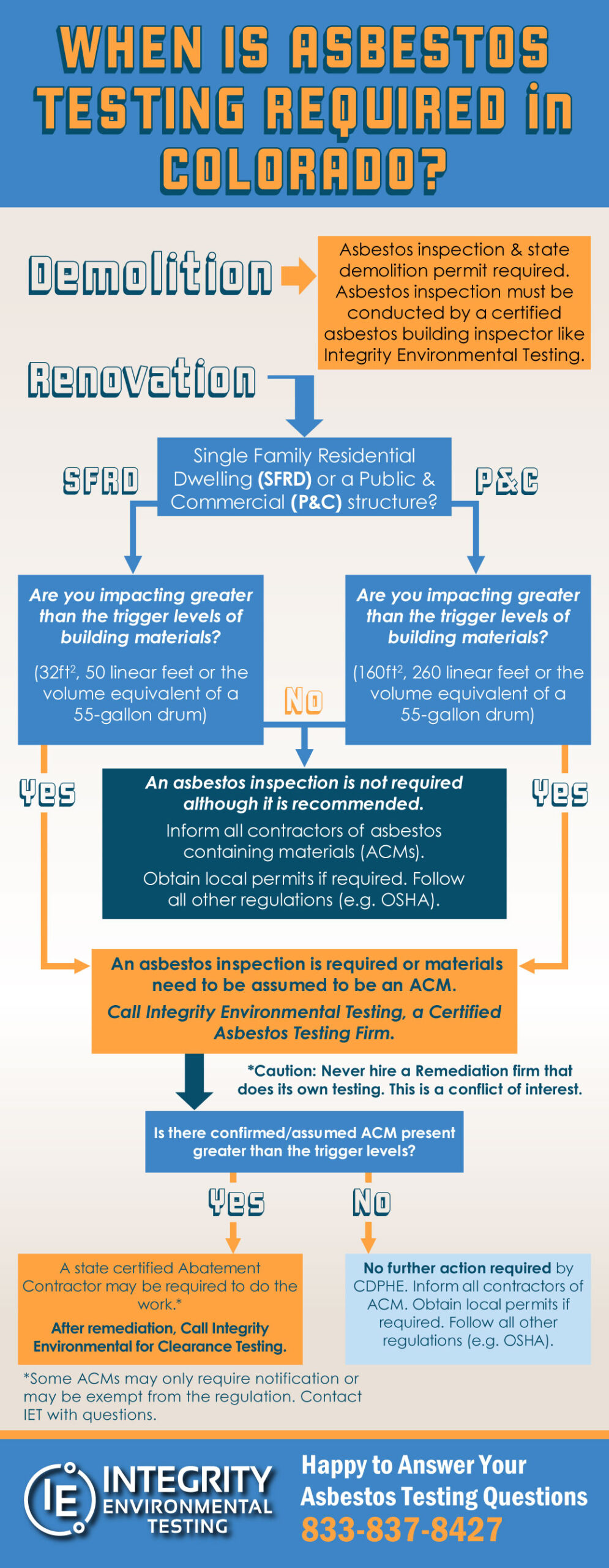
The Importance of Asbestos Inspection & Testing
Regular asbestos testing and inspection are crucial in identifying and managing asbestos-containing materials in schools. Asbestos and air quality tests help ensure that the environment remains safe for students and staff. Schools must conduct periodic asbestos inspections every six months and re-inspections every three years to monitor the condition of asbestos-containing materials and update their management plans accordingly.
Unfortunately, we are not as diligent in those guidelines as we should be, considering what’s at stake. Limited resources and competing priorities have led the EPA to reduce or eliminate asbestos program resources, with five out of 10 regions only inspecting schools based on complaints or tips. Between 2011 and 2015, the EPA conducted only 13% of AHERA asbestos compliance inspections, while states performed 87%. Without regular inspections, the EPA cannot ensure schools are managing asbestos risks properly. Recommendations include requiring regions to integrate asbestos strategies into their Toxic Substances Control Act (TSCA) compliance efforts and ensuring local educational agencies maintain asbestos management plans. The EPA has agreed to implement corrective actions to address these issues.
Ensuring Compliance and Safety
Parents and school administrators must work together to ensure compliance with asbestos regulations and protect the health and safety of students and staff. Key steps include:
- Requesting the Asbestos Management Plan: Parents have the right to review the school’s asbestos management plan, which should be made available within five working days of a request.
- Reviewing the Asbestos Management Plan Contents: The plan should include contact information for the designated asbestos manager, results of asbestos inspections, locations of any asbestos-containing materials, management plans, records of asbestos-related activities, and documentation of periodic surveillance and re-inspections.
- Checking for Recent Updates: Ensure the plan is updated with information from periodic surveillance every six months and re-inspections every three years.
- Verifying Notification Compliance: Schools are required to notify parents, teachers, and staff annually about the availability of the asbestos management plan.
- Asking Questions: Contact the school’s designated asbestos manager with any specific questions or concerns. Inquire about staff training on asbestos awareness and procedures.
- Following Up on Renovations: Stay informed about any renovation or construction work at the school, as these activities can potentially disturb asbestos if not properly managed.
- Advocate for Regular Asbestos Inspections: If inspections are not occurring as required, raise concerns with school administrators and local education agencies. Consider contacting state or federal authorities if the school is non-compliant.
- Considering Asbestos Air Testing: While not required for routine monitoring, parents can inquire if the school has conducted any air quality testing for asbestos fibers.
The presence of asbestos in Colorado schools and elsewhere poses significant health risks and legal challenges. By ensuring regular asbestos testing and inspection, adhering to proper handling and removal procedures, and staying informed about asbestos management plans, parents and schools can protect the health and safety of everyone. Compliance with state and federal regulations is not just a legal obligation but a crucial step in safeguarding our children’s future.
For more information or to schedule an asbestos test, contact Integrity Environmental Testing at 833-837-8427.