Air Quality Monitors vs. Professional Testing: What Your Home Monitor Can’t Tell You
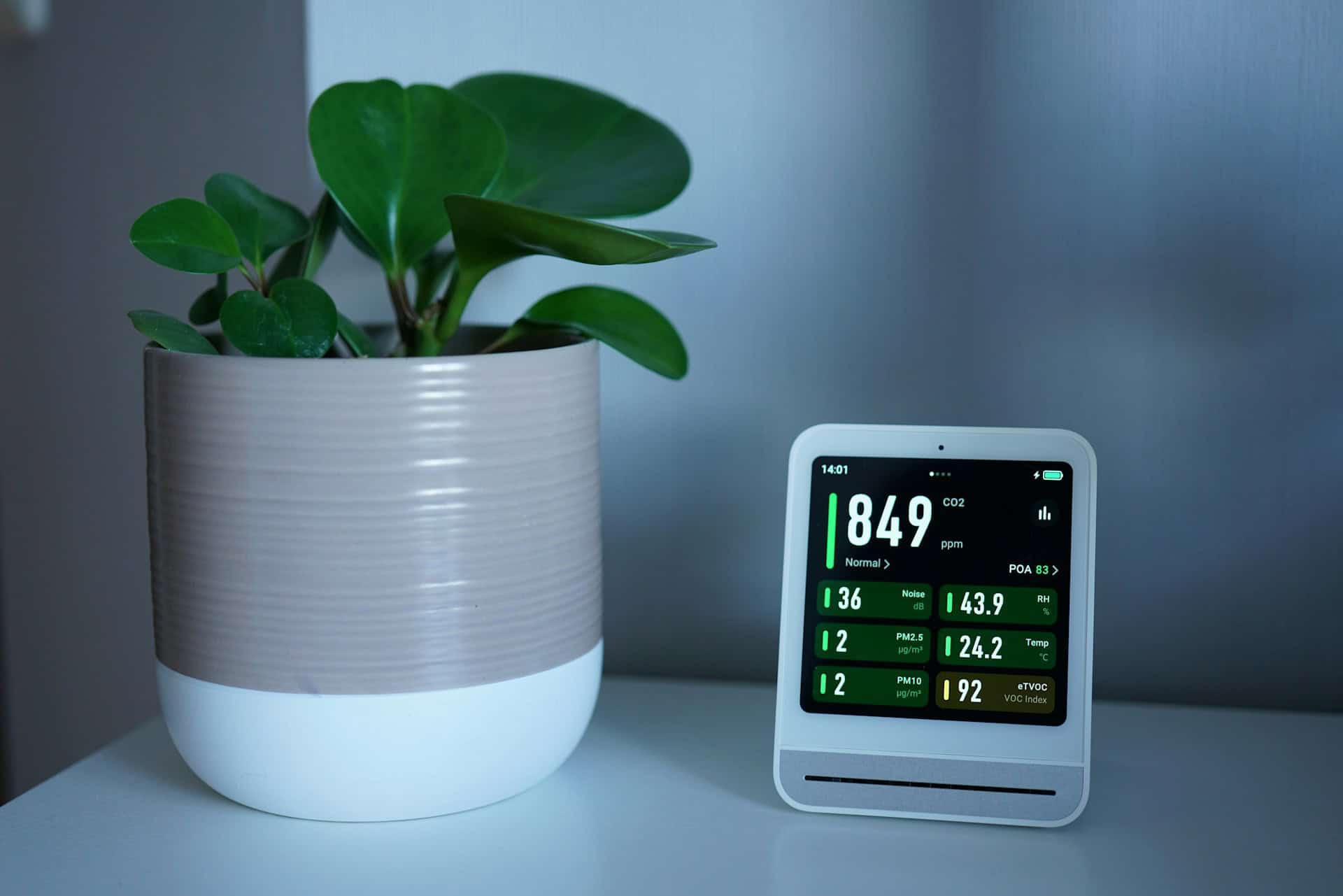
A home air quality monitor counts particles and tracks conditions like humidity, carbon dioxide, and temperature. It cannot tell y...



You’ve found your dream Colorado home. The price feels right, the inspection went well, and you’re ready to sign. But there’s one invisible risk that most buyers never consider that could cost you thousands and put your family’s health at risk.
We’re talking about methamphetamine contamination, and it’s more common in Colorado properties than you might think. The good news is you have powerful legal protections and testing options available. You just need to know how to use them.
This guide walks you through everything you need to understand about home meth testing in Colorado real estate: no scare tactics, just the honest information you need to protect your investment and your family’s health.
Meth contamination isn’t just about former drug labs. Any property where someone has smoked meth can have contamination that requires cleanup. We see this in perfectly normal-looking homes across Colorado: nice neighborhoods, updated kitchens, fresh paint. The contamination hides behind those improvements.
What makes this particularly frustrating is that you can’t see it, smell it, or detect it without proper testing. A beautiful home could have invisible contamination on multiple surfaces. The previous owners might not even know about it.
Here’s what happens: when someone smokes meth, the vapor settles on walls, ceilings, and floors. Your HVAC system then spreads it throughout the house. Even if the drug use happened years ago, the methamphetamine residue stays put until it’s professionally removed. It doesn’t just go away with time or regular cleaning.
The geography of Colorado adds another layer of complexity. Our dry climate means the dangerous chemicals don’t break down like they might in more humid environments. Properties at higher altitudes with sealed windows for energy efficiency can concentrate contamination even more. And with Colorado’s booming real estate market and housing shortage, properties turn over quickly: sometimes before anyone realizes there’s a problem.
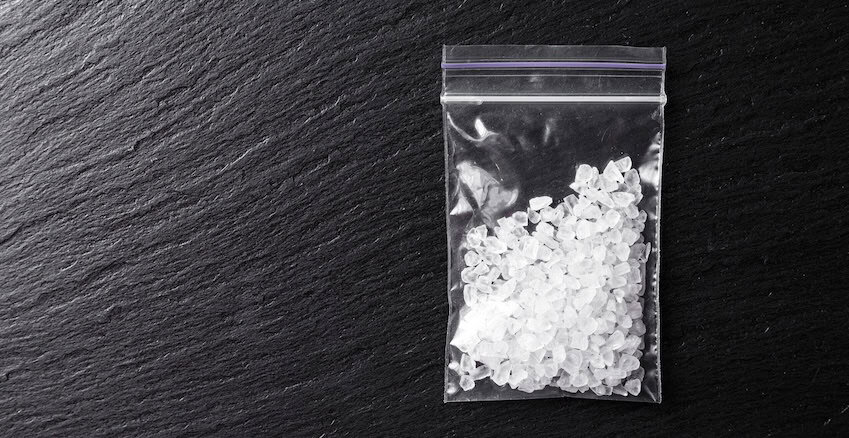
Unlike some environmental hazards that take years to show effects, methamphetamine contamination can cause more immediate health concerns. When someone smokes meth in a home, the residue settles on walls, ceilings, floors, and other surfaces throughout the property. From there, it can be absorbed through skin contact or inhaled as particles become airborne.
People living in contaminated spaces have reported symptoms including headaches, respiratory irritation, nausea, skin rashes, and eye irritation. In children, these effects can be more pronounced and may also include behavioral changes, sleep disruption, and difficulty concentrating. Children are especially vulnerable because they touch surfaces frequently, are more likely to put their hands in their mouths, and their developing bodies process chemical exposure differently than adults.
Colorado uses a cleanup standard of 0.5 micrograms per 100 square centimeters for habitable areas. If a property exceeds that level, it requires professional remediation before it can be considered safe for occupancy.
Few buyers realize what residue cleanup truly costs. Once you factor in testing, remediation, and clearance in Colorado it can run:
There are also hidden costs like:
And here’s the kicker: standard homeowner’s insurance doesn’t cover it. Insurance companies classify meth contamination as “pollution” and exclude it from coverage. You’re on your own financially unless you catch it before buying. Even if you find specialty environmental coverage, it often comes with high deductibles and limited coverage amounts that won’t cover your actual costs.
Want to learn more about Integrity’s professional meth testing services? Click here
Colorado has some of the strongest buyer protections in the nation, but they only work if you know about them. Under state law (C.R.S. § 38-35.7-103), sellers must disclose known meth contamination. If they don’t, they’re on the hook for:
Since contamination isn’t discovered right away, you have three years after closing to file claims. Maybe you don’t test until your child develops unexplained respiratory problems, or until you try to sell and the buyer’s inspection reveals levels of contamination.
But here’s the catch: sellers only have to disclose what they “know.” If they never tested, they can claim ignorance. That’s why meth testing home inspection becomes your responsibility as a buyer. And even if sellers should have reasonably known (obvious drug activity, police reports, neighbor complaints), proving that in court takes time and money you may not have.
Real estate agents also have obligations here. They must disclose material facts about properties, and meth contamination definitely qualifies. But again, they can only disclose what they know. Most agents won’t recommend testing unless you specifically ask: they don’t want to seem like they’re creating obstacles to the sale.
As of August 2023, Colorado now requires all discovered meth-contaminated properties to be listed in a public database maintained by the health department. Properties stay on this list for five years after cleanup.
This is huge for transparency, but remember: a property only gets listed if contamination is actually discovered and reported. The vast majority of contaminated properties never get tested, so they never make the list. Think of it like an iceberg: the database shows you the tip, but most of the problem remains hidden below the surface.
The database includes all types of residential properties:
Action step: Always check the CDPHE database for any property you’re considering. If it’s not listed, that doesn’t mean it’s clean, just that it hasn’t been officially tested. Also check neighboring properties, especially in condos or townhomes where contamination can spread between units.
You have two professional testing levels to choose from, each serving different purposes:
Professional Screening ($850-$1050 ) This gives you credible results from a certified tester. It’s legally defensible and covers multiple areas of the home. The tester will sample all areas using professional protocols, maintain chain-of-custody documentation, and provide a detailed report. Most buyers who are serious about protection go straight to this level.
Comprehensive Assessment ($1,000-$2,000) When screening shows contamination, this detailed assessment maps exactly where it is and how bad it is. State-certified industrial hygienists handle this, and their reports hold up in court. They test every room, the HVAC system, appliances, even inside cabinets. The result is a complete contamination map that guides remediation efforts.
Here’s what we recommend to protect yourself:
Week 1 of your inspection period: Check the CDPHE database and look for red flags:
Week 2: If you see red flags or just want certainty, get professional testing. Make sure they test:
Week 3: If contamination is found, you have three main choices:
Don’t let anyone tell you a visual inspection is enough. We’ve seen contamination in spotless homes. Make sure testing includes:
HVAC Systems: These concentrate and spread contamination. If the ducts are contaminated, especially fiberglass-lined ones, they usually need complete replacement. The system acts like a contamination distribution network.
Hidden Spaces: Attics, crawl spaces, inside cabinets, behind appliances, inside closets. Contamination doesn’t respect boundaries.
If testing reveals meth contamination above Colorado’s safety threshold (0.5 micrograms per 100 square centimeters), here’s what you’re facing:
The property gets officially tagged as uninhabitable. A certified remediation company (different from the testing company: that’s the law to prevent conflicts of interest) creates a detailed cleanup plan that must be approved by the health department.
The process typically takes:
During this time, the property is completely off-limits except to decontamination specialists in hazmat gear. Everything porous gets thrown out: carpets, curtains, mattresses, upholstered furniture, sometimes even drywall and insulation. Hard surfaces get washed multiple times with special solutions. The HVAC system gets deep cleaned or replaced entirely.
The remediation process itself involves:
After cleanup, another certified tester verifies it’s safe. If any area still shows contamination, the whole process repeats. The property stays on the public contamination list for five years, even after successful cleanup.
Finding contamination doesn’t automatically mean you should walk away. Consider:
The severity matters: Light contamination in one room is different from widespread severe contamination. Get specific numbers and understand what they mean.
Your financial situation: Can you afford the cleanup costs and time? Do you have somewhere to live during remediation?
The property’s uniqueness: Is this truly your dream home in the perfect location? Or can you find something comparable?
The seller’s response: Are they willing to handle remediation? Will they negotiate fairly?
We’ve seen buyers successfully navigate this process and end up with homes they love. We’ve also seen others wisely walk away from money pits. There’s no universal right answer, just what’s right for your family.
You’re already stressed about the biggest purchase of your life. We get it. Here’s the bottom line: spending $500-1,500 on testing could save you from a $30,000+ nightmare. Think of it as insurance, except one that actually prevents the problem instead of potentially covering it later.
Don’t let anyone tell you you’re being paranoid. In Colorado’s competitive market, you might feel pressure to skip inspections to make your offer more attractive. Don’t do it. A seller who balks at home meth testing might know something they’re not telling you.
For you, this is about ROI and liability. Test between every tenant. Document everything. Include clear lease language about meth contamination liability.
Consider this: if a meth user contaminates your property and you don’t catch it, then rent to someone else, you could be liable for the new tenant’s health issues. You could face lawsuits, have to pay for temporary housing, and still have to pay for remediation. One contaminated unit can destroy your profit margin for years.
Your situation requires extra caution. Children absorb more contamination through normal behavior: playing on floors, touching everything, hand-to-mouth activity. Their developing bodies are more vulnerable to health effects.
Children in contaminated homes may experience respiratory problems, behavioral changes, skin irritation, and sleep issues. These effects can persist even after leaving the contaminated environment. If you have young kids, testing becomes more essential.
Meth contamination is real, and it can have huge impacts on your finances and health if you’re not careful. But you’re not helpless. You have strong legal protections, reliable testing options, and now you have the knowledge to use them.
The choice is simple: invest in testing now, or risk paying much more later. Most buyers who test find clean homes and gain peace of mind. Those who find contamination thank themselves for catching it before signing papers.
Your next step: Before you make an offer on any Colorado property, decide on your testing strategy. Check the CDPHE database. Look for red flags. And if anything seems off (or even if it doesn’t) get professional testing during your inspection period.
This isn’t about living in fear. It’s about making informed decisions. Your family’s health and financial future are worth the investment in proper testing. The peace of mind you’ll gain from knowing your home is safe is priceless.
For Testing and General Information:
For Legal Questions:
For Health Concerns:
Remember: Every property purchase involves some risk. Meth testing helps you understand and manage one significant risk that many buyers overlook. In Colorado’s real estate market, knowledge truly is power and protection for your family’s future.
Request your free consultation today to learn more about protecting your family and investment through professional environmental testing.