Air Quality Monitors vs. Professional Testing: What Your Home Monitor Can’t Tell You
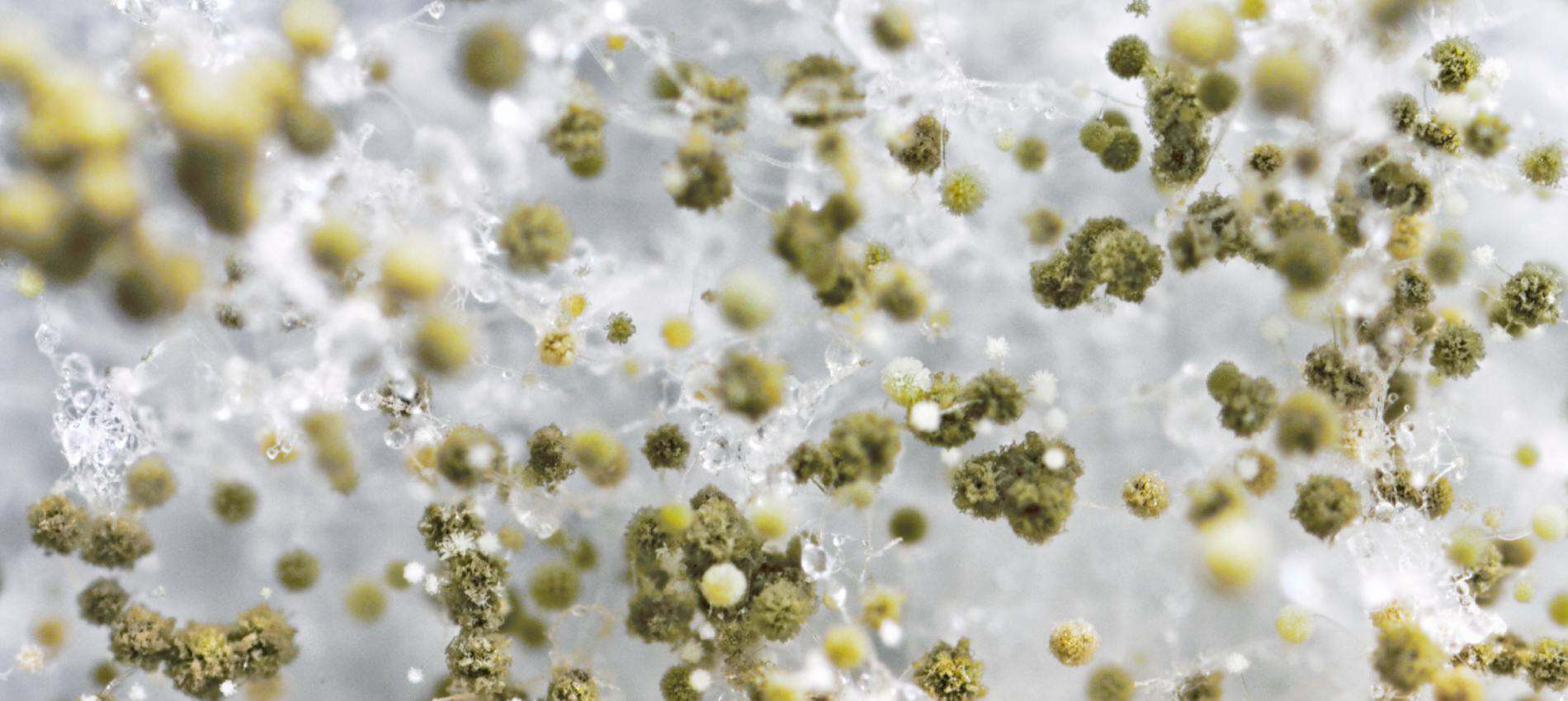
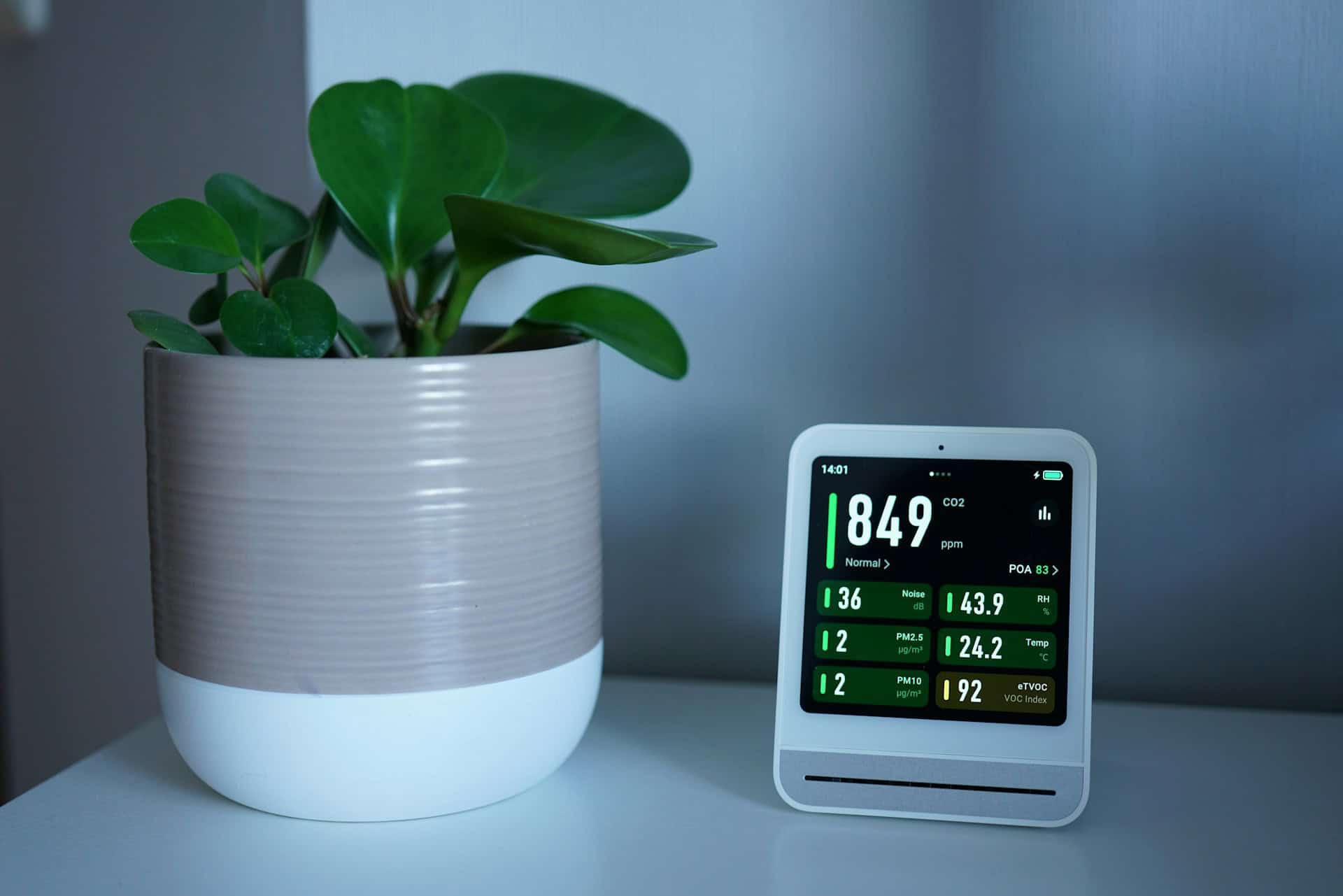
A home air quality monitor counts particles and tracks conditions like humidity, carbon dioxide, and temperature. It cannot tell y...



You’ve found a great Colorado home with mountain views and room for the kids to grow. But before you start loading up the moving truck, make sure the home inspection includes one critical part of any Colorado real estate deal: the radon test. Understanding the test and results will help you make the best choice for your investment.
We work with Colorado families all the time who want clear facts about radon testing. It’s a standard part of buying a home here, and for good reason. Colorado’s unique geology means radon is present in most homes, but it’s also completely manageable when you have the right information.
The Rocky Mountain landscape that draws so many buyers also contributes to Colorado’s high radon levels. As uranium in the rock breaks down, radon gas seeps upward and can accumulate inside homes through cracks and openings in the foundation.
Nationally, the average home measures about 1.3 picocuries per liter (pCi/L) of radon. In Colorado, that number jumps to 6.3 pCi/L, and roughly half of homes exceed the EPA’s action level of 4 pCi/L.
What makes radon tricky is its uneven spread. One home may test low while the neighbor’s comes back high, simply due to differences in soil, foundation type, or airflow. The only way to know your risk is to test the specific home you’re buying.
The Colorado Department of Public Health links radon to some pretty serious long-term health risks. It’s the second leading cause of lung cancer after smoking, with about 500 lung cancer deaths each year in Colorado attributed to radon exposure. These facts help explain why testing matters: it’s a known risk that’s easy to identify and fix.
The EPA has set 4 pCi/L as the action level based on years of research. This provides a clear benchmark for making informed decisions during real estate deals.
Senate Bill 23-206 took effect on August 7, 2023, standardizing radon disclosures in Colorado real estate deals. Sellers must now tell buyers if the home has been tested for radon and share any test results they have. If there’s a mitigation system, they need to provide details about when it was installed and how it’s been maintained.
Purchase contracts now include standard language about radon risks and EPA testing recommendations. This ensures everyone has the same information for making smart choices.
Professional radon testing adds these steps to your transaction:
Many sellers now test before listing to make negotiations smoother. Having test results ready can actually help sell a property. This is true whether levels are low or successful mitigation has already been implemented.
Those $20 hardware store radon test kits might seem like a bargain, but they don’t work for real estate deals. Here’s why professional testing is the only good choice when buying a home:
DIY charcoal canister radon testers give you just one average reading. They can’t tell if someone opened windows during testing, which would lower the results. They can’t show hourly changes that might signal problems.
Most importantly, DIY kit results often lack the proof needed for negotiations. When you’re asking for mitigation or price cuts, you need data that everyone will accept as valid.
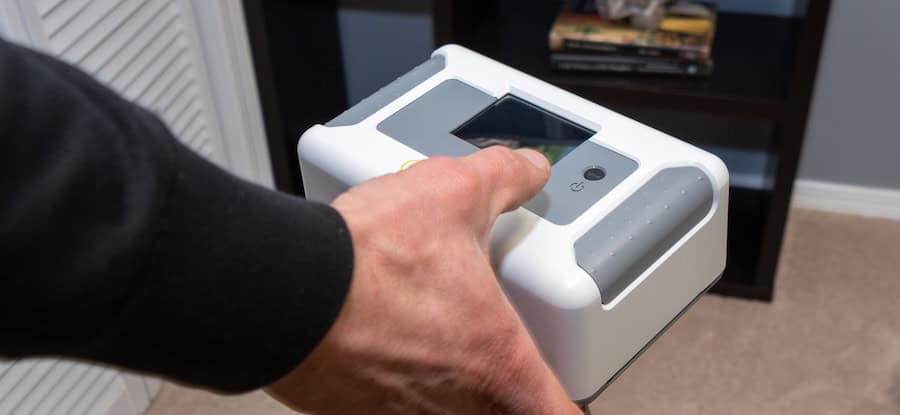
Professional radon monitors track levels hour by hour and create a detailed picture of your home’s radon patterns. They provide:
The $200 to $400 for professional testing gives you reliable data for making a confident choice on such a big purchase.
Want to learn more about Integrity’s professional radon testing services? Click here
Your radon test results will show levels in picocuries per liter (pCi/L). Here’s what different ranges mean for your deal:
Below 2 pCi/L: Excellent results. Only about 15% of Colorado homes naturally reach these levels. This can be a selling point.
2 to 4 pCi/L: Below the EPA action level but worth thinking about for future mitigation. This is especially true for families with young children. This range often becomes part of negotiations.
Above 4 pCi/L: EPA recommends mitigation. In Colorado’s market, this usually starts talks about who handles the mitigation or how to split costs.
The good news: mitigation systems work just as well whether your levels are 4.5 or 15 pCi/L. The cost stays about the same, too.
Winter tests can show levels 25% to 50% higher than summer tests because homes are sealed up tight. These results show worst-case scenarios, which is valuable information. Understanding seasonal changes helps during negotiations.
A radon mitigation system is a simple technology that’s been proven to work for decades and prevents radon from entering your living space.
The installation involves creating suction beneath your foundation:
Installation usually takes 4-6 hours for most homes. Costs in Colorado range from $1,000 to $2,500 depending on the foundation type and home size. EPA data shows these systems reduce radon levels by 94% to 99%.
Mitigation systems provide unexpected bonuses:
Many homeowners say their basements become much nicer living spaces after mitigation.
Build radon testing and possible mitigation into your purchase planning:
Testing before you list strengthens your position:
If a buyer’s test shows high levels, offer flexible solutions to address the issue. These might include immediate mitigation, closing credit, or escrow holdback arrangements.
Making smart decisions about radon doesn’t require becoming an expert. You just need to understand the key points:
For buyers:
For sellers:
At Integrity Environmental Testing & Consulting, we use modern continuous monitors to provide accurate and timely radon testing for Colorado real estate deals. Every test comes with professional documentation so you know exactly where radon levels stand.
We explain your results clearly and help you understand your options, then we can connect you with certified mitigation professionals when needed. No drama, just reliable data for smart real estate decisions.
Ready to get professional radon testing for your real estate transaction? Request your free consultation today. We’ll guide you through the process. We’ll make sure you have the information needed for informed choices.
Professional radon testing is simply smart due diligence in Colorado real estate. When it comes to radon and real estate, the facts are clear: testing protects your health, strengthens your negotiations, and gives you confidence in your purchase. Get the facts, understand your options, and make decisions based on reliable data.