Air Quality Monitors vs. Professional Testing: What Your Home Monitor Can’t Tell You
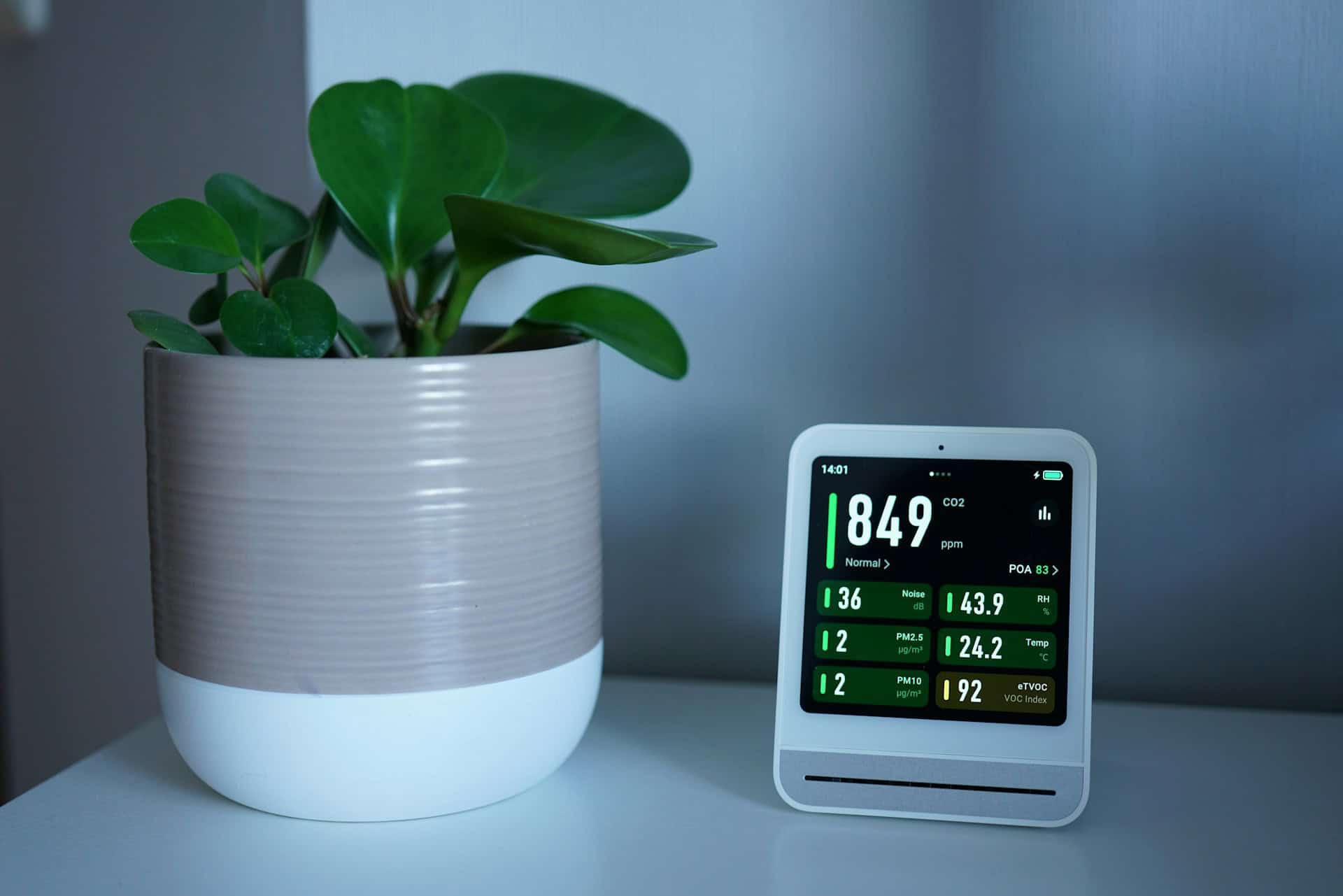
A home air quality monitor counts particles and tracks conditions like humidity, carbon dioxide, and temperature. It cannot tell y...



That afternoon fatigue, the persistent headaches, or that nagging cough that won’t go away might not just be “part of life” or stress from your busy schedule. They could be your body telling you something important about the air you’re breathing at home or at work.
You spend about 90% of your time indoors, where EPA research shows air can be 2 to 5 times more polluted than outdoor air. But before you get overwhelmed, take a deep breath (maybe near an open window). Improving your indoor air quality doesn’t require a complete home renovation or expensive equipment.
This guide provides strategies to identify and address common indoor air pollutants, from simple ventilation improvements to professional-grade solutions that can significantly improve your indoor environment.

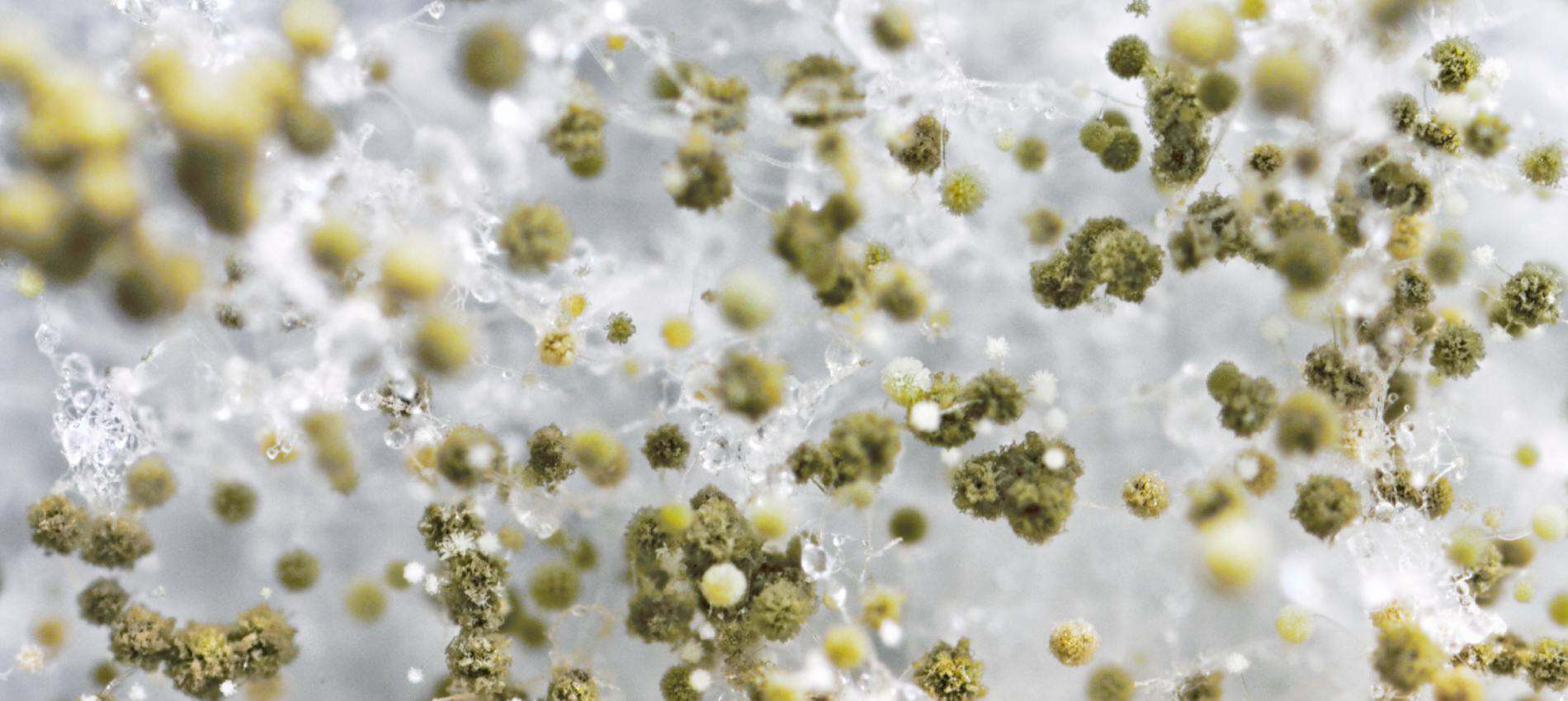
Your home’s air contains an invisible mix of particles, chemicals, and biological contaminants. Some come from everyday activities like cooking on your gas stove or using cleaning products. Others hide in building materials, sneak in through your ventilation systems, or grow in damp corners you don’t usually think about.
Here’s what poor indoor air quality can do to your health: Beyond the obvious sneezing and coughing, contaminated indoor air can affect how clearly you think, how well you sleep, and how energized you feel. Research shows that high CO2 levels (common in poorly ventilated rooms) can fog your thinking and drain your energy. Meanwhile, the World Health Organization links long-term exposure to indoor air pollutants with serious cardiovascular issues.
The frustrating part is that many harmful sources of pollution are completely invisible and odorless. Radon seeping from the ground and ultrafine particles from cooking accumulate silently until the adverse health effects make you wonder what’s wrong.
Once you understand what affects your air quality in your home, you can take control and create real improvements.
Let’s start with what you can do immediately. These are scientifically-proven strategies that make a real difference.
Simply opening windows the right way can transform your indoor environment. Create cross-ventilation by opening windows on opposite sides of your home for just 10 minutes. Yes, even in winter. This natural air exchange dilutes indoor pollutants more effectively than you might think.
Smart tip: Before opening those windows, check AirNow.gov for outdoor air quality. If the index is over 100, keep windows closed and rely on your filtered ventilation systems instead.
Those bathroom and kitchen exhaust fans aren’t just for removing odors; they can be powerful tools for improving your indoor air when used correctly.
Run bathroom fans after every shower to prevent moisture buildup that leads to mold. Turn on your range hood before you start cooking (not after you smell something burning).
Make sure these fans actually vent outside. You’d be surprised how many just recirculate air back into your home.
Walk through your home and notice where the air feels stagnant. Is furniture blocking your heating and air conditioning vents? Are doors always closed, trapping air in certain rooms? Simple rearrangements can improve how fresh air moves through your space, preventing dead zones where pollutants accumulate.
When you’re ready to invest a bit in your family’s health, these solutions deliver measurable improvements without breaking the bank.
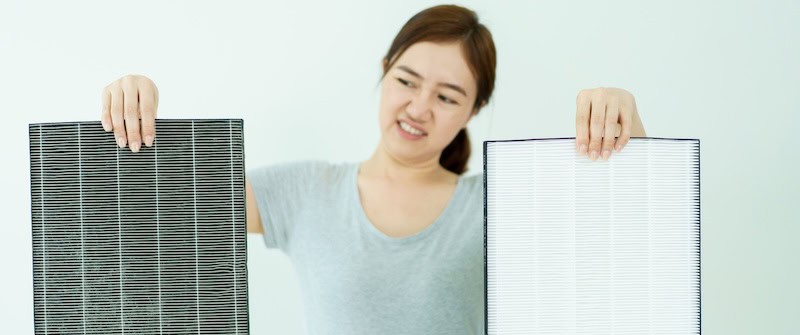
Upgrading your HVAC filters from basic MERV-8 to MERV-13 vastly improves the air quality flowing into your home. While MERV-8 filters catch about 20% of particles, MERV-13 filters capture around 90% including many bacteria, smoke particles, and even some virus-carrying droplets.
Important note: Have a professional check if your system can handle the upgraded filters. Some older units may require modifications to work with the higher-grade filtration. If MERV-13 isn’t possible, even MERV-11 provides significant improvement.
Maintaining 30-50% humidity does double duty: it prevents mold growth while making life miserable for dust mites. Too dry, and your respiratory system becomes irritated. Too humid, and you’re inviting mold and dust mite populations to explode.
A quality dehumidifier in damp basements or humid climates, or a humidifier in dry environments, helps maintain that sweet spot. Many families see improvement in symptoms just by controlling humidity properly.
While basic DIY monitors might show some information, they often miss critical pollutants or provide readings that don’t tell the whole story.
Professional monitoring uses calibrated equipment that detects specific contaminants at levels that actually matter for your health: not just whether something is present, but whether it’s present at concerning levels.

Sometimes you need to bring in the big guns. These professional-grade approaches require more investment but deliver comprehensive, long-lasting results.
True HEPA air purifiers remove 99.97% of particles down to 0.3 microns. That’s small enough to catch most allergens, mold spores, and even many bacteria. But here’s what many people miss: buying the fanciest air purifier won’t help if it’s not sized correctly for your space.
Look for the Clean Air Delivery Rate (CADR) and match it to your room size. A 200-square-foot bedroom needs a minimum CADR of 130. Placement also matters, so put the purifier where you spend the most time, not hidden in a corner where it looks nice.
Radon is the second leading cause of lung cancer after smoking, yet many homes have never been tested. This radioactive gas seeps up from the ground and accumulates in homes, especially basements. You can’t see it, smell it, or taste it.
Professional radon testing reveals if you have a problem, and if you do, mitigation systems can reduce levels by up to 99%. Yes, the installation costs several thousand dollars, but compared to the health risks, it’s a worthwhile investment.
Energy Recovery Ventilators (ERVs) continuously bring in fresh outdoor air while exhausting stale indoor air, all while recovering 70-80% of your heating or cooling energy. Modern systems with CO2 sensors automatically adjust based on how many people are home, maintaining optimal air quality without you lifting a finger.
Sometimes, despite your best efforts, symptoms persist or you’re just not sure what’s wrong. That’s when professional indoor air quality assessment becomes invaluable.
Certified professionals use sophisticated equipment to identify problems you’d never find on your own, like hidden moisture in walls, specific mold sources, inadequate ventilation patterns, or contamination lurking in unexpected places. They provide customized recommendations based on your home’s unique challenges, not generic advice.
Want to learn more about Integrity’s professional testing services? Click here
Office environments present unique indoor air quality challenges, from shared HVAC systems to high-occupancy spaces. Understanding what you can control and what to request from building management empowers you to create a healthier work environment.
Even without building management approval, you can improve air quality in your immediate workspace. Position a quality portable HEPA air purifier near your desk, ensuring it’s sized appropriately for your work area. Keep the area around your workspace air vents clear of obstructions to maintain proper airflow.
If you have a window that opens, use it strategically for brief ventilation periods when outdoor air quality permits. Even a few minutes of fresh air during lunch can help dilute pollutants in your immediate area.
Minimize personal pollutant sources by choosing low-emission office supplies and avoiding air fresheners or scented products that add VOCs to the environment. If you use a personal printer, position it as far from your breathing zone as practical.
Building managers are often receptive to air quality improvements that can reduce sick days and increase productivity for building occupants. When approaching management, present your concerns professionally with specific, actionable requests.
Request information about the building’s HVAC maintenance schedule and filter replacement frequency. ASHRAE recommends minimum MERV-11 filters for commercial buildings, with quarterly replacement in most applications. If the building uses lower-grade filtration, suggest an upgrade as a cost-effective way to improve air quality for all occupants.
Ask about ventilation rates and whether the system meets ASHRAE Standard 62.1, which requires 15 cubic feet per minute of outdoor air per person in office spaces. Many older buildings fall short of this standard, particularly in conference rooms and high-density areas. Building management can adjust ventilation rates or implement demand-controlled ventilation based on CO2 monitoring.
High-occupancy meeting rooms often suffer from inadequate ventilation, leading to elevated CO2 levels. Request portable CO2 monitors for conference rooms, or ask management to install permanent monitoring. When CO2 exceeds 1,000 ppm, additional ventilation is needed.
Printer and copy rooms concentrate particle and VOC emissions. These areas require dedicated exhaust ventilation to prevent pollutants from spreading throughout the office. If your workspace is near these areas, request that doors remain closed and that dedicated ventilation be verified or improved.
Renovation activities can significantly impact air quality. Request advance notice of any construction or renovation work, and ask about containment measures to prevent dust and chemical emissions from affecting occupied areas. During renovations, temporary air filtration units should be used in affected zones.
Sometimes, DIY solutions aren’t enough. Consider professional testing when:
Professional assessment isn’t admitting defeat. It’s getting the precise information you need to solve the problem effectively. Certified professionals have equipment worth tens of thousands of dollars that can identify issues no consumer device will catch.
Poor indoor air quality isn’t just another item on your endless to-do list; it’s directly affecting how you feel every single day. But unlike many health challenges, this one has clear, proven solutions you can start implementing right now.
You’re not overreacting by caring about your indoor air. You’re taking control of something that affects you and your family 90% of every day. That’s not just smart. It’s essential.
Essential Information:
Professional Standards:
Concerned about your family’s health, but not sure if it’s your indoor air? That’s exactly when professional testing makes sense. Real-time testing can reveal what’s really in your air and, more importantly, what to do about it. Request your free consultation today and get the answers you deserve.